vendors
AI Vendor Contracts: Which Clauses Can Cost You Later
Before you sign that AI contract, read this. Hidden lock-in terms, data ownership traps, and exit fees that can cost you thousands.
PushButton AI Team ·
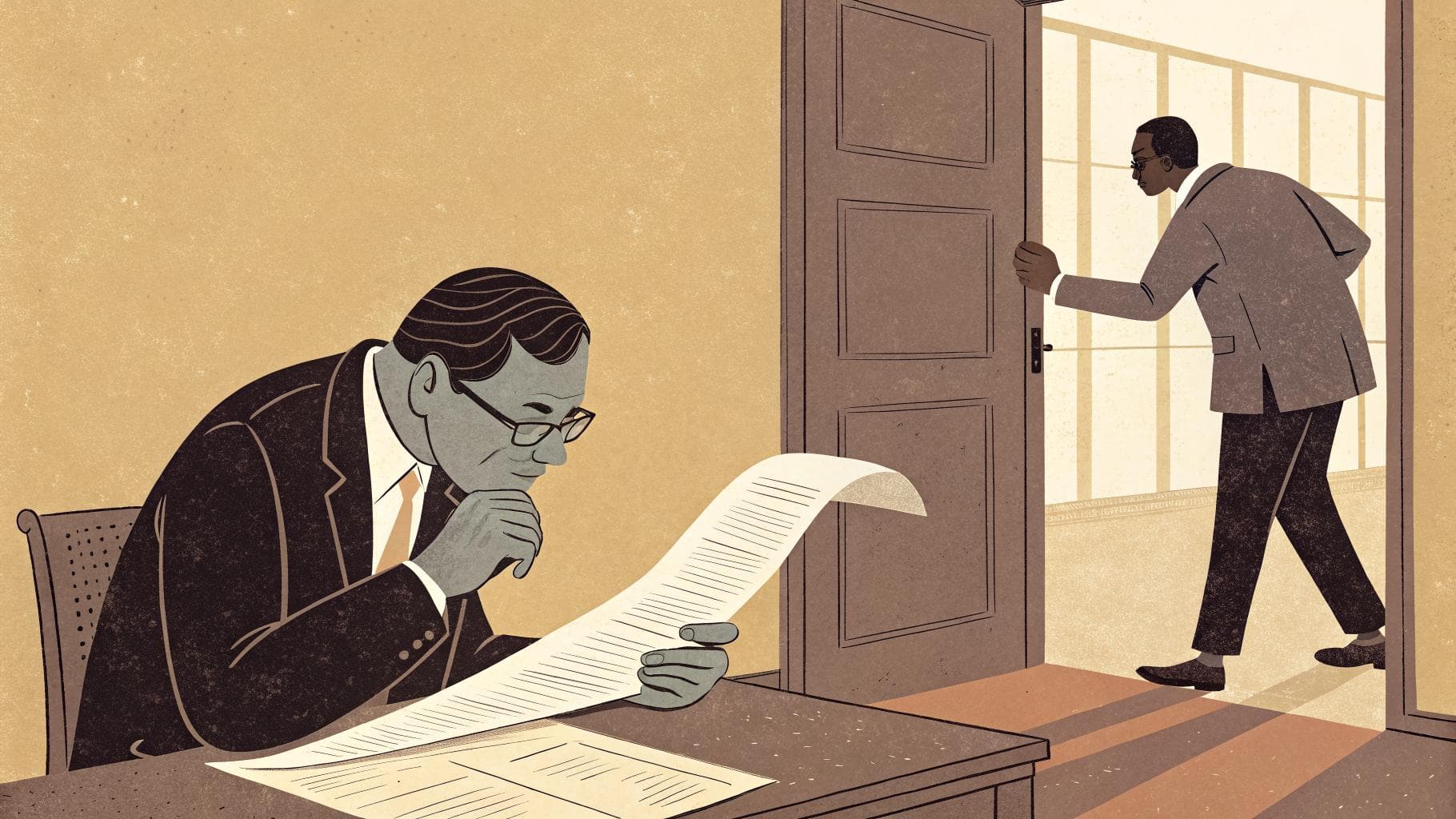
You're About to Sign. Stop for Ten Minutes.
You've done the demos. You've sat through the sales calls. You've watched the vendor's AI tool do something genuinely impressive, and now the contract is sitting in your inbox. It's 34 pages. Your gut says just sign it and get started — the competitor down the street is probably already using this thing.
Here's what nobody tells you in the demo: the part that will hurt you is never the product. It's the paper.
AI vendor contracts have gotten more complicated in the last two years, and the language buried on page 19 can lock your data, your workflows, and your budget into an arrangement that's very hard to exit. This isn't about being paranoid. It's about knowing what you're agreeing to before you agree to it.
Why This Became Urgent in the Last Year
Twelve months ago, most businesses buying AI tools were buying point solutions — a chatbot here, a writing assistant there. The contracts were relatively simple because the tools were relatively simple.
That changed fast.
Vendors are now selling integrated AI platforms that touch your CRM, your customer data, your internal documents, and your workflows. The deeper the integration, the higher the switching cost — and vendors know this. According to Gartner's 2024 market analysis on AI platforms, multi-platform AI adoption among mid-market companies accelerated significantly, which means more businesses are signing contracts they don't fully understand for tools that are harder to leave than they expected.
At the same time, the legal frameworks around AI and data are still being written. The EU AI Act is being phased in. US state-level AI regulations are proliferating. Several high-profile enterprise AI deployments were quietly wound down in 2023 and 2024 after companies discovered their vendor agreements gave the vendor broad rights to use proprietary business data for model training.
You're not buying software anymore. You're entering a data relationship. The contract defines who wins that relationship if things go sideways.
The Five Things You Need to Know Before You Sign
1. Data Ownership and Training Rights
What this is: A clause that determines whether the vendor can use your business data to train or improve their AI models.
This matters because your data isn't just a spreadsheet. It's your customer behavior patterns, your pricing logic, your internal communications, your proprietary processes. If the contract grants the vendor broad training rights, you may be feeding your competitive advantage directly into a model that gets sold to your competitors.
A concrete example: Several early adopters of enterprise AI writing tools discovered — after the fact — that their internal documents, uploaded to "improve AI outputs," were included in training datasets under a clause buried in the acceptable use policy, not the main contract.
Rule of thumb this week: Find the section labeled "License to Data," "Data Usage Rights," or "Training Data." If it says anything like "non-exclusive, royalty-free license to use your content to improve services," ask the vendor in writing to either remove that clause or explicitly exclude your data from model training. Many will agree if you ask.
2. Lock-In Through Integration Architecture
What this is: The way a vendor builds their tool so that your data and workflows become dependent on their proprietary systems, making switching expensive even if the contract technically allows it.
This isn't a contract term you can read — it's a structural reality you need to anticipate before signing. If the vendor stores your data in a proprietary format, requires their API to access your own outputs, or builds automations that only run inside their ecosystem, you're locked in regardless of what the exit clause says.
A concrete example: A regional logistics company signed a two-year contract with an AI operations platform. Eighteen months in, they wanted to switch vendors. The contract allowed termination. But their dispatch workflows had been rebuilt entirely inside the vendor's proprietary automation layer, and their historical data was in a format only the vendor's system could read. Re-platforming cost them more than the original contract.
Rule of thumb this week: Before signing, ask the vendor: "If we leave, in what format can we export all of our data, and how long will you give us access to do that export?" If they can't give you a clear answer, treat that as a yellow flag.
3. Auto-Renewal and Price Escalation Clauses
What this is: Contract language that automatically renews your agreement — often at a higher price — unless you cancel within a specific window, sometimes as short as 30 or 60 days before renewal.
This is the one that catches business owners the most often, because it's so familiar from SaaS tools that people stop reading it carefully. But AI platform contracts are doing something different: many now include tiered pricing escalations tied to usage volume or to "platform improvements," meaning your Year 2 cost is not your Year 1 cost.
A concrete example: A mid-size marketing agency signed a $2,400-per-month AI content platform contract with a 60-day cancellation notice window and a clause allowing up to 15% annual price increases tied to CPI or platform enhancements, whichever is higher. They missed the renewal window and were locked in at the higher rate for another full year.
Rule of thumb this week: Put the cancellation deadline in your calendar the day you sign — not the renewal date, the last day you can cancel without triggering renewal. Set a reminder 30 days before that.
4. Liability Caps and AI Error Indemnification
What this is: The clause that limits what the vendor owes you if their AI makes a costly mistake — and whether you're on the hook for errors the AI produces on your behalf.
AI tools make mistakes. That's not a complaint, it's a fact of how these systems work right now. What varies is who bears the financial consequence of those mistakes. Most vendor contracts cap their liability at the amount you've paid in the last 12 months. But some contracts go further and require you to indemnify the vendor — meaning you pay their legal costs — if a third party sues over content or decisions that the AI produced.
A concrete example: A property management company used an AI lease drafting tool. The AI generated a lease clause that was noncompliant with a state tenant protection law. The vendor's contract capped their liability at three months of subscription fees — around $900 — against a legal dispute that cost the property company significantly more to resolve.
Rule of thumb this week: Look for the word "indemnify" and read every sentence around it. If the contract asks you to indemnify the vendor for AI outputs, push back. At minimum, ask for reciprocal indemnification for errors attributable to their model.
5. Exit Fees and Data Deletion Terms
What this is: Charges triggered when you terminate the contract early, plus the vendor's obligations (or lack thereof) around deleting your data after you leave.
Exit fees are often presented as "early termination fees" and are easy to spot. What's harder to spot is vague data deletion language. If the contract says the vendor will "endeavor to delete" your data or will delete it "in accordance with our data retention policy," that policy may allow retention for months or years for backup, legal, or — critically — training purposes.
A concrete example: A financial services firm terminated an AI analytics contract early and paid a 20% early termination fee on the remaining contract value. They later discovered their client data remained on the vendor's servers for 18 months post-termination under a "backup retention" clause they hadn't negotiated.
Rule of thumb this week: Push for a specific, calendar-defined data deletion commitment — "all client data deleted within 30 days of termination" — and ask for written confirmation of deletion when you eventually leave.
How This Connects to Your Business
Not every contract situation is the same. Here's how to think about where you stand.
If you're in the evaluation stage and haven't signed anything yet, you're in the best position. Use the five clauses above as a checklist. Send them to the vendor before the contract review meeting. Their response — whether they push back hard or engage thoughtfully — tells you something about the relationship you're entering.
If you're in a pilot or short-term proof-of-concept contract, read the auto-renewal language first. Pilots that auto-convert to annual contracts are common. Make sure you know the conversion date and what the full-year cost looks like before you start uploading your data.
If you're six to twelve months into a current contract, pull it out now and find the renewal date and the training data clause. You may not be able to renegotiate everything mid-term, but you can document your position, prepare for renewal negotiations, and decide whether you want to start evaluating alternatives before the auto-renewal window closes.
If you're a few months from renewal on a contract that isn't working, start the exit conversation now, not at the deadline. Vendors often negotiate on price and terms when they know you're actively evaluating alternatives. The cancellation window is leverage — but only if you use it before it closes.
If you're in a sector with heavy regulatory exposure — healthcare, financial services, legal, education — treat the data ownership and deletion clauses as non-negotiable. The regulatory risk of getting those wrong isn't a business inconvenience, it's a compliance problem.
Common Traps to Avoid
Trap 1: Trusting the sales rep's verbal assurances. "Don't worry about that clause, we never actually enforce it" is not a legal position. If the vendor tells you something verbally that contradicts the contract, ask them to put it in writing as an addendum. If they won't, the contract is what governs.
Trap 2: Letting your IT team own the contract review without business input. IT will look for security certifications and API documentation. They're not looking for price escalation triggers or indemnification language. This review needs at least one person who understands the business cost of being locked into a tool that stops working for you.
Trap 3: Assuming "standard contract" means non-negotiable. Most AI vendors — especially those selling to SMBs — have more flexibility than they present. Data training opt-outs, deletion timelines, and liability language are frequently negotiable if you ask before signing. The word "standard" means "what we use when no one pushes back."
Trap 4: Skipping legal review because the deal is small. A $15,000-per-year contract that locks your customer data into a vendor's training pipeline or hits you with a 20% exit fee is not a small deal. A one-hour contract review by a business attorney familiar with SaaS agreements is cheap relative to the downside.
Your Next Step This Week
Pull out one AI vendor contract you're currently under — or request the draft of the one you're about to sign. Read specifically for the five clauses covered here: data training rights, data portability, auto-renewal windows, indemnification language, and deletion terms. Mark anything you don't understand or wouldn't agree to if you read it out loud to a customer.
That list becomes your negotiation agenda, either before you sign or before your next renewal. One hour of reading now is worth more than months of regretting a bad contract later.
What's the one contract clause your current AI vendor has that you'd push back on if you had the chance?