The most expensive AI mistake isn't buying the wrong tool. It's buying a tool that solves a problem you never clearly defined. If your team isn't using that $200/month subscription, it's not because
The most expensive AI mistake isn't buying the wrong tool.
It's buying a tool that solves a problem you never clearly defined.
If your team isn't using that $200/month subscription, it's not because they're resistant to change. It's because nobody mapped the specific problem to the specific solution before signing up. That's not your fault — that's how AI gets sold.
Here's what infrastructure planners figured out that most business owners haven't:
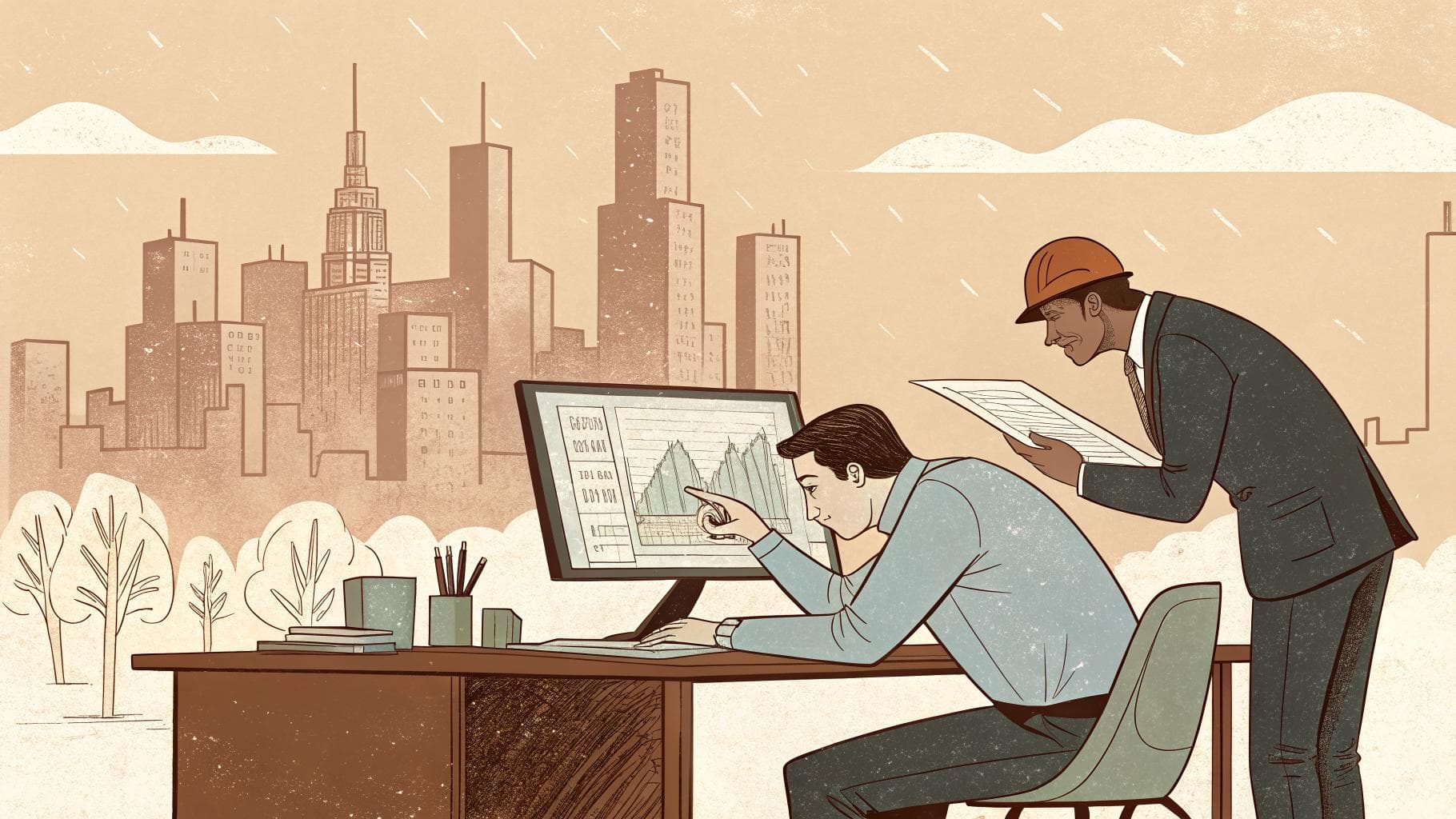
AI works best when it combines your existing data — past failures, maintenance records, real conditions — and predicts what breaks next. Not magic. Just pattern recognition on information you already have.
The business translation: your best first AI win probably lives inside data you're already collecting but not fully using. Customer complaints. Repeat service calls. Inventory patterns. The AI doesn't replace your process — it reads your history and flags what you'd miss.
One practical step you can take this week: list the three decisions in your business that rely on gut feel but leave you uncertain. That list is your AI roadmap.
No new systems. No coding. Just clarity on where your existing data could make you sharper.
What's one decision in your business you wish you had better data to back up?
#AIForBusiness #SmallBusinessGrowth #AIStrategy #BusinessOperations
AI models that integrate asset condition data, historical failure records, environmental exposure, maintenance history, and consequence-of-failure ...
