technology
PushButton AI Team ·
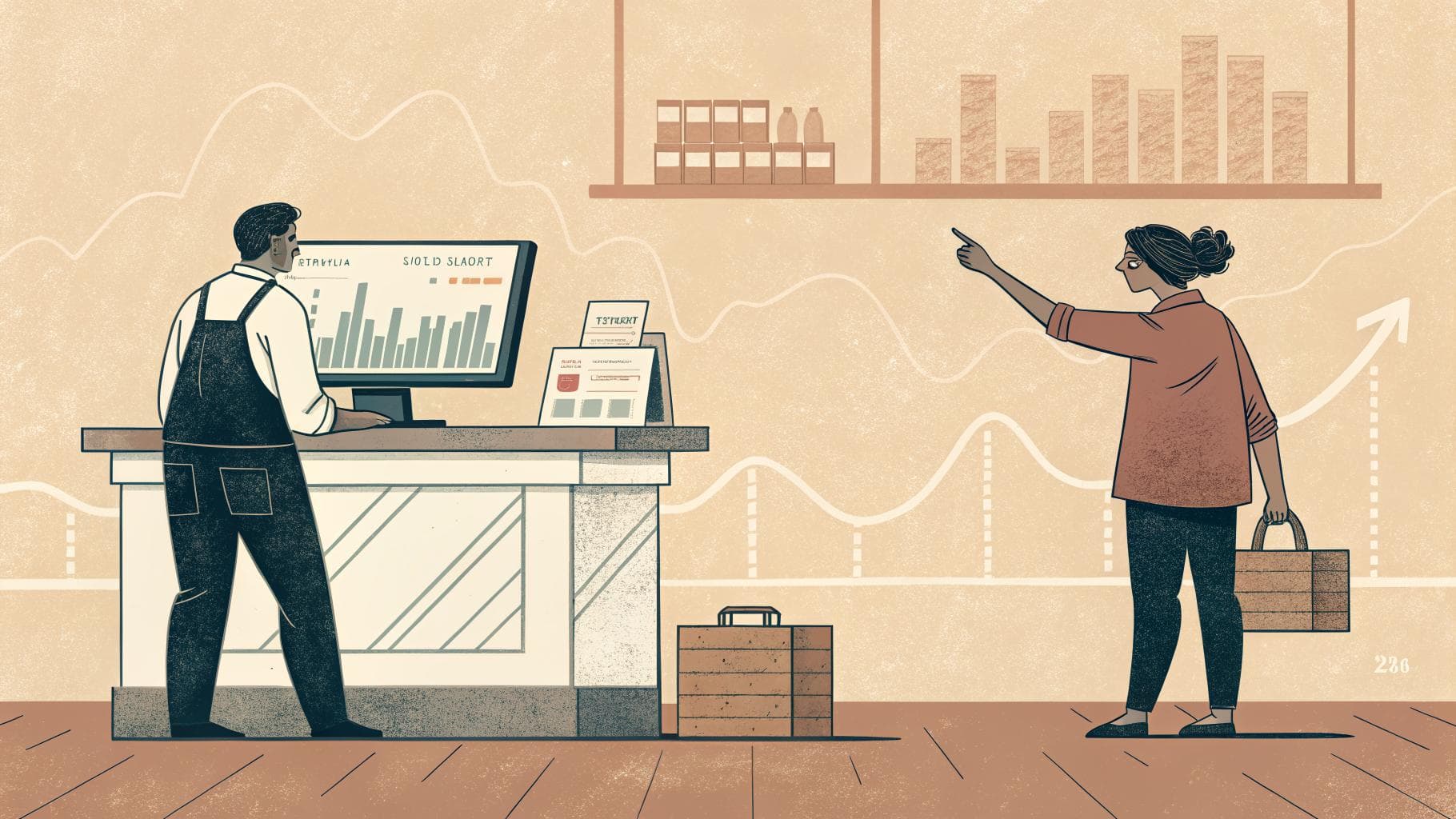
Taiwan's 7-Eleven didn't buy AI because it was trendy. They bought it because labor was shrinking and costs were climbing. They had a real problem. AI solved a specific piece of it. That's the part
Taiwan's 7-Eleven didn't buy AI because it was trendy.
They bought it because labor was shrinking and costs were climbing. They had a real problem. AI solved a specific piece of it.
That's the part nobody talks about.
Most business owners I speak with tried AI the wrong way — picked a tool first, then looked for a problem to justify it. Then wondered why nobody on the team used it. Sound familiar? That's not a you problem. That's how AI was sold to you.
The Taiwan convenience store story is a useful mirror. These aren't tech companies. They're operators. They identified one painful, measurable operational problem — staffing gaps during off-peak hours — and matched a narrow AI solution to it. That's it.
No ripping apart systems. No six-month rollout. One constraint. One fix. One result they could measure.
Here's your takeaway: Before you look at any AI tool, write down the one task that costs you the most time or money every single week. That's your starting point. Not the tool — the problem.
AI strategy starts with operational honesty, not software shopping.
What's one repetitive business problem you keep tolerating because the fix always felt too complicated or expensive?
#AIForBusiness #SmallBusinessStrategy #OperationalEfficiency #BusinessGrowth
Faced with a shrinking labor pool and climbing overhead, Taiwan's primary convenience giants, 7-Eleven and FamilyMart, are rapidly integrating AI ...
