AI News
What Matters in AI — This Week
Curated and filtered. No hype. Just what business owners need to know.
13,490 stories · Page 554 of 563
ai-driven-marketing
MHN Executive Council: Marketing Trends to Watch Out for in 2026 - Multi-Housing News
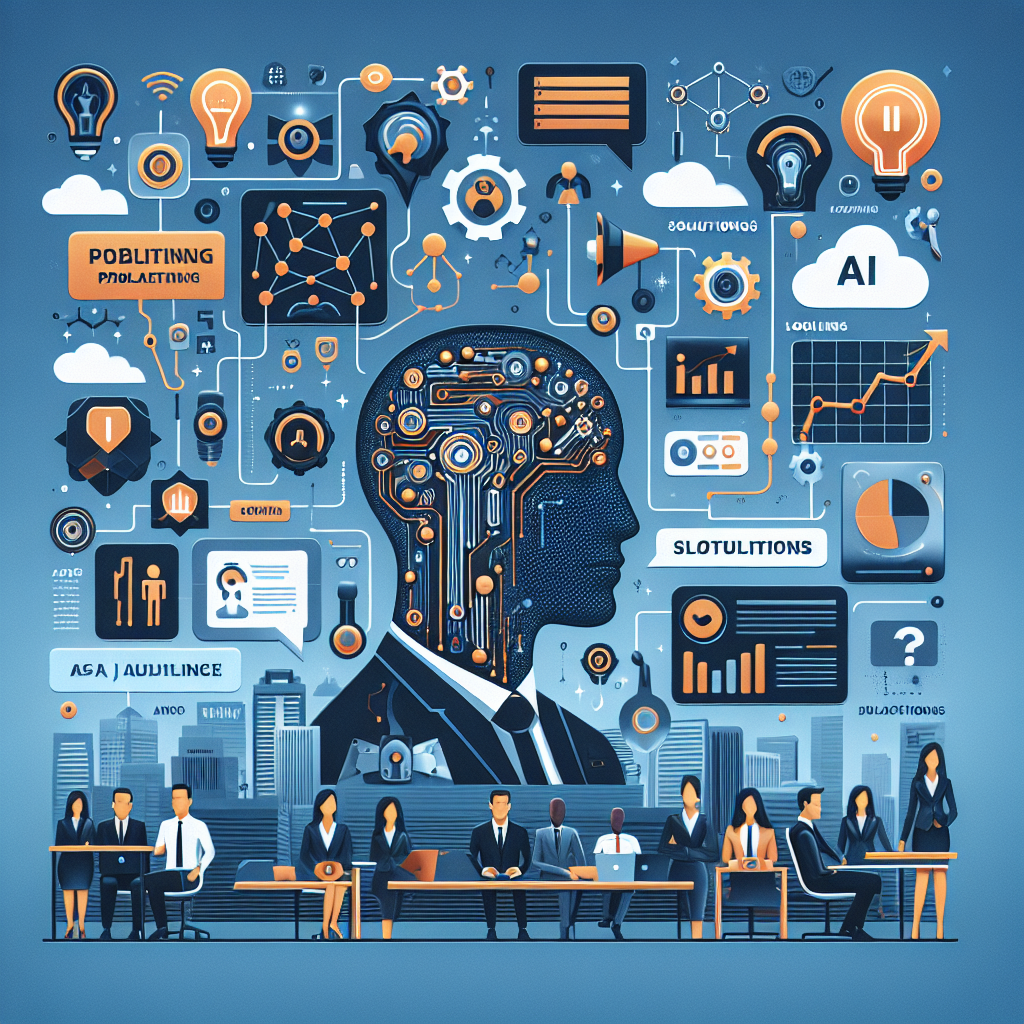
# The Future of Marketing: Balancing AI Innovation with Human Connection The marketing landscape is evolving rapidly, and by 2026, success will hinge on finding the perfect equilibrium between technological advancement and authentic human engagement. According to industry insights from Multifamily Housing News, the most effective marketing strategies will leverage AI-driven personalization while maintaining the irreplaceable human touch that builds lasting customer relationships. **AI as a Strategic Enhancement** Artificial intelligence is transforming how businesses understand and reach their audiences. AI-driven tools enable marketers to deliver hyper-personalized experiences at scale, analyzing vast amounts of customer data to predict preferences, optimize timing, and tailor messaging. This technological capability allows companies to engage prospects more effectively than ever before, reducing wasted effort and improving conversion rates significantly. **The Human Element Remains Essential** However, technology alone isn't the answer. The most successful marketing teams recognize that AI should amplify—not replace—human creativity and empathy. While algorithms excel at data processing and pattern recognition, genuine customer relationships still require authentic human interaction, emotional intelligence, and the nuanced understanding that only people can provide. **Taking Action** To stay competitive, businesses must invest in both AI marketing tools and their human talent. Focus on using AI for efficiency and insights while empowering your team to build meaningful connections. The winners in 2026 will be those who master this strategic balance. #AIMarketing #DigitalTransformation #MarketingStrategy #CustomerExperience
November 29, 2025